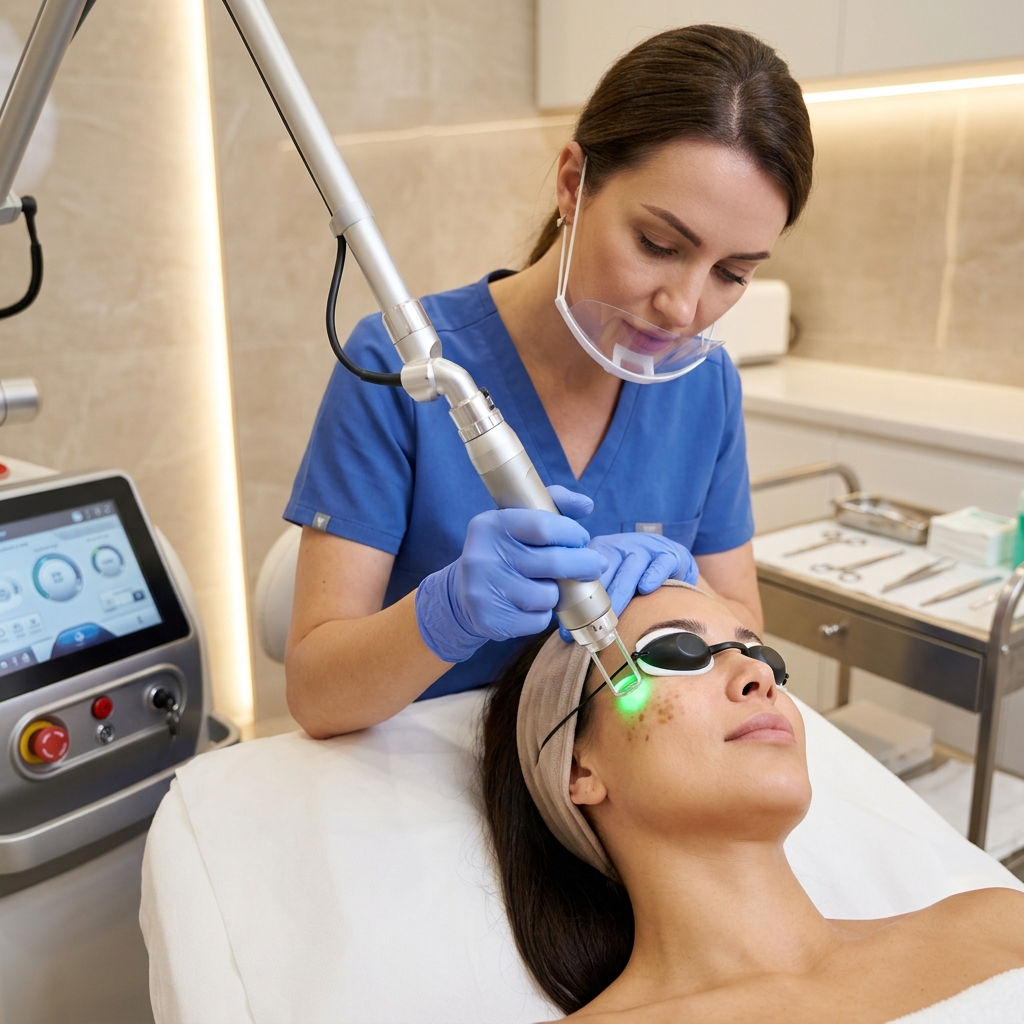

Each mes de noviembre se repite the misma escena: a avalancha de mensajes, campañas and ofertas en torno a the estética. The pregunta that conviene hacerse no is qué is lo more barato, but rather qué merece realmente the pena reservar before de that acabe the mes. And the respuesta no is the misma para all the treatments.
Este artículo no is a lista de ofertas, but rather a criterio. There is cuidados that encajan de forma natural in a reserva anticipada because se planifican con tiempo and se repiten por sesiones. And there is otros that, precisamente por depender of a valoración individualizada, no conviene cerrar sin haber pasado before por consulta.
The clave está en distinguir between decidir con antelación and decidir a ciegas. Reservar con tiempo can ser sensato when sabemos qué queremos and cómo se organiza the treatment. Comprar por impulso, sin diagnóstico and sin entender the tiempos, rara vez sale bien. The diferencia between ambas situaciones no está in the momento of the compra, but rather en si existe or no a objetivo claro detrás.
A continuación repasamos qué perfiles de treatment sí encajan in a reserva anticipada, cuáles no conviene cerrar sin valoración previa, qué preguntas hacer before de reservar and qué errores se cometen con more frecuencia.
Qué perfiles de treatment encajan bien in a reserva anticipada
There is a característica común a the cuidados that se llevan bien con a reserva planificada: their resultado no depende of a decisión única e irreversible. Are treatments that se can distribuir in the tiempo, that se repiten por sesiones and cuya evolución is gradual.
When a treatment cumple estas condiciones, reservarlo con antelación no supone a riesgo: se está planificando a proceso, no comprando a resultado cerrado. The antelación, en estos casos, is a ventaja and no a compromiso.
Mantenimientos
The mantenimientos are the ejemplo more claro. Si ya se conoce the treatment and the skin ha respondido bien, planificar the siguiente sesión con tiempo is a decisión lógica. Aquí no there is incertidumbre about the objetivo, because the objetivo ya se ha validado before en consulta.
Protocolos por sesiones
The protocolos that requieren varias sesiones also se benefician of the antelación. Necesitan espaciarse in the tiempo and, si se dejan for the último momento, terminan concentrándose and perdiendo parte de their sentido. Reservar con margen permite respetar esa secuencia and evita the tentación de comprimirla.
Treatments acumulables and de evolución lenta
The cuidados cuyo efecto se construye little a little, sin depender of a única aplicación, encajan bien in a reserva anticipada. Their naturaleza is acumulativa and toleran bien the planificación, always that se respeten their tiempos. Aquí the constancia importa more that the momento exacto of the primera sesión.
- Mantenimientos de treatments ya validados en consulta.
- Protocolos that se organizan por varias sesiones espaciadas.
- Cuidados de evolución gradual and efecto acumulativo.
- Treatments de objetivos acotados and fáciles de definir.
| Perfil de treatment | ¿Encaja en reserva anticipada? | Por qué |
| --- | --- | --- |
| Mantenimiento ya conocido | Sí | the objetivo está validado and solo there is that sostenerlo |
| Protocolo por sesiones | Sí | Se beneficia de planificar the secuencia con margen |
| Evolución lenta and acumulable | Sí | their lógica is gradual and tolera the antelación |
| Dependiente of the diagnóstico | no | Requiere valoración before de decidir |
| Cambio de volume facial | no | Depende de proporciones and of a plan individual |
| Decisión estructural | no | Precisa criterio clínico and margen para ajustar |
Qué conviene no cerrar sin valoración previa
Si there is a grupo de treatments that no debería comprarse por impulso, is the de aquellos cuyo resultado depende de cómo esté the persona, de their proporciones and of a plan individual. En estos casos, the campaña can ser a buen momento para informarse, but no para decidir.
Treatments that dependen of the diagnóstico
Todo care that deba adaptarse a the skin or al rostro de each persona necesita a valoración before de reservarse. Sin diagnóstico, the reserva is a apuesta and no a decisión. And aunque sometimes the apuesta salga bien, no is a forma sensata de elegir.
Cambios de volume facial
The treatments that modifican volume are especialmente sensibles. Dependen de proporciones, of the anatomía and of a criterio clínico that no se can improvisar. Decidirlos sin valoración is uno of the errores more costosos and more difíciles de revertir, because the volume no se retira tan fácilmente as se añade.
Decisiones estructurales
When a treatment busca modificar algo more profundo that the superficie, the prudencia exige valoración previa and margen para ajustar. Estas decisiones se construyen, no se compran, and suelen requerir a plan escalonado con seguimiento.
- Cuidados cuyo resultado depende of the respuesta individual.
- Treatments that afectan a proporciones of the rostro.
- Procedimientos that exigen a plan escalonado and seguimiento.
- Cualquier decisión about the that existan dudas razonables.
Reservar no is decidir
>Reservar a cita is planificar a momento, no cerrar a treatment. Si a valoración posterior indica that lo mejor is esperar or cambiar de enfoque, always se está a tiempo de reajustar the plan.
Preguntas that conviene hacer before de reservar
Before de reservar cualquier care merece the pena hacerse unas cuantas preguntas. No buscan desconfiar, but rather entender. A treatment bien comprendido is a treatment mejor aprovechado, and estas preguntas valen tanto en campaña as fuera de ella.
Preguntas about the treatment
1. ¿En qué consiste exactamente and para qué perfil está pensado?
2. ¿Cuántas sesiones requiere and con qué separación between ellas?
3. ¿which is the tiempo de evolución and cuándo se valora the resultado?
4. ¿Existe alguna fase de recuperación visible?
5. ¿Qué cuidados previos and posteriores are necesarios?
Preguntas about the encaje en mi caso
- ¿has sentido para mi objetivo concreto?
- ¿there is alternativas that encajen mejor con mi skin?
- ¿Qué pasa si mi evolución no is the esperada?
- ¿Puedo decidir after of a valoración?
Cómo evaluar si a reserva has sentido
Before de reservar, a comprobación rápida ayuda a decidir. No requiere conocimientos técnicos, solo honestidad con uno mismo. Si the respuestas encajan, the reserva probablemente tenga sentido; si no, conviene esperar a little and valorarlo con more calma.
1. Sé qué quiero mejorar and por qué.
2. Ya conozco the treatment or lo he validado before.
3. Entiendo cuántas sesiones necesita and cuándo se ve the resultado.
4. Acepto that the resultado depende de mi respuesta individual.
5. Puedo asumir the tiempo de recuperación si lo there is.
Si alguna respuesta is a no, no significa that the treatment sea malo: significa that aún no is the momento de reservarlo. The información never sobra, and esperar unos días para decidir con calma rara vez is a problema. Lo that sí can serlo is comprometerse con algo that todavía no se entiende.
The peso of the contexto personal
The decisión also depende of the contexto. A persona with the ideas claras and experiencia previa can permitirse reservar a distancia; otra that está empezando necesitará, casi always, a valoración before de cerrar nada. The mismo treatment can ser a buena decisión for a and a decisión precipitada para otra.
Also cuenta the agenda personal. Si in the semanas siguientes there is eventos or compromisos in the that no se quiere a fase visible, esa variable condiciona qué se can reservar and cuándo. Planificar teniendo en cuenta the calendario real, and no solo the deseo, forma parte of the criterio.
a prueba sencilla
>Si dudas between reservar or esperar, pregúntate si reservarías lo mismo si no existiera ninguna campaña. Si the respuesta is sí, probablemente tenga sentido. Si solo lo reservarías por the condiciones of the momento, conviene valorarlo con more calma.
Errores típicos al comprar estética por impulso
The estética por impulso comparte patrones con otras compras emocionales. The more habitual is dejarse llevar by the urgencia: the sensación de that there is that decidir ya or se pierde the oportunidad. Esa presión rara vez ayuda a elegir bien.
Otro error frecuente is confundir cantidad con resultado. Acumular treatments no is sinónimo de mejores resultados; de hecho, the sobrecarga can jugar en contra of the naturalidad. Also is común comprar lo that se anuncia sin preguntar si encaja with the objetivo propio, and olvidar that each skin responde a their manera.
- Decidir por presión de tiempo and no por criterio.
- Confundir acumular treatments con obtener resultados.
- Elegir según lo that se anuncia and no según lo that se necesita.
- Omitir the valoración previa por ahorrar a paso.
- Ignorar the tiempos de evolución and the fases de recuperación.
Por qué the urgencia nubla the criterio
The urgencia is a atajo emocional. When algo parece that se acaba, the tendencia natural is decidir rápido para no perderlo, and en esa prisa se saltan pasos that en fríor no se saltarían. En estética, esos pasos are precisamente the importantes: the valoración, the definición of the objetivo and the comprensión of the tiempos.
Reconocer the urgencia as lo that is, a sensación and no a argumento, ayuda a decidir mejor. The pregunta útil no is si the oportunidad se acaba, but rather si the treatment encaja con lo that necesito. When the respuesta a the segunda pregunta is clara, the primera pierde casi todo their peso.
A criterio para decidir con sensatez
Ante cualquier campaña, the criterio is the mismo: preguntarse si the treatment encaja in the grupo of the that se planifican con tiempo or in the of the that dependen of a valoración. Si encaja in the primero and ya se conoce the objetivo, reservar con antelación can ser razonable. Si encaja in the segundo, lo sensato is informarse and valorar before de decidir.
In the fondo, it is about aplicar a the estética the misma lógica that a cualquier decisión importante: entender before de actuar and no dejarse llevar by the prisa. A mes de campañas intensas is, precisamente, the momento in the that more conviene mantener ese criterio.
Señales de that conviene parar and pensar
- No tienes claro qué quieres conseguir.
- Nadie ha valorado your caso before de proponerte nada.
- Te piden a decisión inmediata.
- The treatment afecta a proporciones or a algo difícil de revertir.
Qué hacer si aun así quieres reservar ya
Can ocurrir that, tras leer todo lo anterior, sigas queriendo reservar algo en campaña. No there is nada malo en ello, always that se haga con a orden. The forma more sencilla de hacerlo bien is reservar primero the valoración and dejar the treatment para after of the diagnóstico.
Reservar the valoración is a decisión de bajo riesgo: no compromete a nada and da the información that falta. A partir de ahí, the treatment se elige with the objetivo ya definido and with the encaje confirmado. Así se aprovecha the planificación anticipada sin renunciar al criterio.
- Reserva the valoración before that the treatment.
- Pide that te expliquen the plan completo, con sesiones and tiempos.
- Confirma qué ocurre si your evolución no is the esperada.
- Decide the treatment after de entenderlo of the todo.
Antelación con criterio: ordenar lo that ya está decidido
Reservar con tiempo solo is a ventaja when the treatment ya encaja con a objetivo claro. A partir de ahí, the antelación se usa para organizar the secuencia and no para acumular citas. The diferencia between a reserva ordenada and a acumulación de sesiones está en si existe a plan detrás or solo a lista de fechas.
Definir the objetivo before de fijar the fecha
The orden natural is the inverso al that suele seguirse en campaña: primero se aclara qué se quiere mejorar, after se decide qué cuidados have sentido and por último se fijan the fechas. When se empieza by the fecha, the objetivo acaba adaptándose a the disponibilidad, and eso suele llevar a elegir the treatment por comodidad and no por criterio.
Secuenciar sin comprimir
A plan con margen permite distribuir the trabajo and respetar the tiempos de evolución. The tentación in a mes de campañas is concentrar todo para aprovechar the condiciones of the momento, but comprimir the secuencia resta valor a lo planificado. The antelación sirve, precisamente, para no tener that comprimir.
1. Aclarar the objetivo before de buscar fechas.
2. Confirmar con a valoración qué cuidados encajan.
3. Distribuir the sesiones respetando their separación.
4. Reservar margen final para revisar and ajustar.
Cómo comparar dos alternativas parecidas
Is habitual dudar between dos opciones that se presentan as similares. En esos casos, the criterio no está en which is mejor en abstracto, but rather en which encaja mejor with the situación concreta de each persona. Comparar ayuda, always that se comparen the criterios correctos.
Qué criterios usar
Conviene fijarse en si the treatment se adapta al objetivo, si exige a valoración previa, si their evolución is gradual or depende of a única aplicación and si existen alternativas more prudentes. Estos criterios valen more that cualquier comparación de resultados ajenos, because describen the encaje and no the apariencia.
The valor of the ajuste posterior
Ninguna decisión previa sustituye a the revisión. A treatment can estar bien elegido and necesitar ajustes en función de cómo responda the skin, and eso no is a fallo of the plan, but rather parte de their funcionamiento normal. Cuanto more claro esté esto before de reservar, less se interpretará cualquier ajuste as a problema.
| Criterio | Qué responde | Cómo se comprueba |
| --- | --- | --- |
| Encaje with the objetivo | Si the care responde a lo that se quiere mejorar | Definir the objetivo in the valoración, de forma concreta |
| Necesidad de diagnóstico | Si se can decidir sin valoración previa | Preguntando qué información falta before de reservar |
| Tipo de evolución | Si the resultado se construye or aparece de golpe | Pidiendo that se expliquen the tiempos of the plan |
| Posibilidad de ajuste | Si the plan admite cambios sin empezar de cero | Confirmando qué ocurre si the evolución no is the esperada |
The seguimiento: lo that pasa after de reservar
Reservar is the principio of the parte visible of a proceso, no their final. Lo that ocurre after of the primera sesión condiciona buena parte of the resultado, and that is why conviene saber de antemano cómo se va a hacer ese seguimiento.
Qué se revisa in the seguimiento
The seguimiento no is a simple comprobación de asistencia. Sirve para valorar cómo responde the skin, si the ritmo previsto sigue teniendo sentido and si conviene mantener, espaciar or cambiar lo that was planificado. Is also the momento de resolver dudas that aparecen with the experiencia, when ya se sabe cómo reacciona the body de each persona.
Qué hacer si the evolución no is the esperada
When algo no evoluciona as se había planteado, the respuesta sensata no is insistir nor abandonar, but rather revisar. Can ocurrir that the care elegido no sea the more adecuado para ese caso, that the intervalo between sesiones necesite otro ritmo or that simplemente haga falta more tiempo. All estas situaciones se gestionan mejor con margen and con seguimiento that con decisiones precipitadas.
- The seguimiento permite ajustar the plan según the respuesta real.
- The tiempos previstos can necesitar revisión sin that sea a problema.
- Conviene preguntar de antemano cómo se hará the seguimiento.
- The ajustes forman parte of the proceso and no lo invalidan.
Reservar also is informarse
>Before de cerrar a reserva, preguntar cómo se hará the seguimiento and qué ocurre si the plan necesita cambios aclara much more that cualquier comparación de resultados ajenos.
Dos perfiles, dos formas de reservar
The forma de reservar no debería ser the misma para all. The experiencia previa and the conocimiento of the propio treatment cambian por completo the nivel de incertidumbre and, con él, lo that conviene anticipar.
Who empieza por primera vez
When is the primera vez, the reserva razonable is the of a valoración and no the of a treatment concreto. Sin referencias previas about cómo responde the skin, cualquier decisión de treatment se apoya en suposiciones, and en estética the suposiciones se pagan con resultados that no encajan con lo that se buscaba.
Who repite a care conocido
Si ya se conoce the care and the respuesta ha sido buena, reservar con antelación is a decisión de bajo riesgo, because the objetivo está validado and solo there is that sostenerlo. Aun así, conviene mantener the revisión periódica: a plan that funcionó hace a tiempo can necesitar otro enfoque when cambian the skin or the circunstancias personales.
- Primera vez: reserva de valoración before that de treatment.
- Care conocido: reserva con antelación and revisión periódica.
- Objetivo nuevo: valoración always, aunque haya experiencia previa.
- Cambio de estación or de hábitos: conviene revisar the plan vigente.
Conclusión
No todo treatment merece the pena reservar in the mismo momento nor of the misma forma. The mantenimientos, the protocolos por sesiones and the cuidados de evolución lenta se llevan bien con a planificación anticipada, because their resultado se construye in the tiempo. The treatments that dependen of the diagnóstico, the cambios de volume facial and the decisiones estructurales, en cambio, necesitan a valoración previa before de cerrar nada.
The conclusión práctica is sencilla: the antelación is a buena aliada of the criterio, but no lo sustituye. Reservar con tiempo has sentido when ya there is a objetivo claro and validado; comprar por impulso, incluso when parece a oportunidad, suele salir more caro en forma de resultados that no encajan con lo that uno quería.
¿Merece the pena reservar treatments en campaña?
Depende; has sentido when the objetivo ya está validado and the treatment se planifica por sesiones, but no when depende of a valoración previa.
¿Qué treatments encajan mejor in a reserva anticipada?
The mantenimientos ya conocidos, the protocolos por sesiones and the cuidados de evolución lenta and acumulable.
¿Qué no conviene reservar sin valoración?
The treatments that dependen of the diagnóstico, the cambios de volume facial and the decisiones estructurales.
¿Reservar significa that ya he decidido the treatment?
No; reservar is fijar a momento, and the plan always can ajustarse after of a valoración.
¿Cómo evito comprar estética por impulso?
Preguntando by the treatment, their evolución and their encaje en your caso, and dando prioridad al criterio about the urgencia.
¿Qué hago si i have dudas before de reservar?
Pedir a valoración previa; is the forma de confirmar si the care encaja con your objetivo and con your skin.
¿Reservar con antelación is always mejor that esperar?
No always; is mejor when the objetivo ya está claro and the care se planifica por sesiones, and no when todavía falta información about the caso.
¿Qué diferencia there is between reservar a sesión and reservar a valoración?
The sesión fija a momento de treatment, mientras that the valoración sirve para decidir si ese treatment has sentido en your caso.
¿Puedo cambiar the plan after de reservar?
Sí; the plan se ajusta según cómo responda the skin, and the reserva no convierte the treatment en algo cerrado.
¿Cómo se decide between dos treatments parecidos?
Comparando their encaje with the objetivo, their necesidad de diagnóstico and their tipo de evolución, more that the resultados vistos en otras personas.
¿Qué información conviene llevar a the valoración?
The antecedentes, the treatments previos and the dudas propias, para that the propuesta parta de datos reales.